

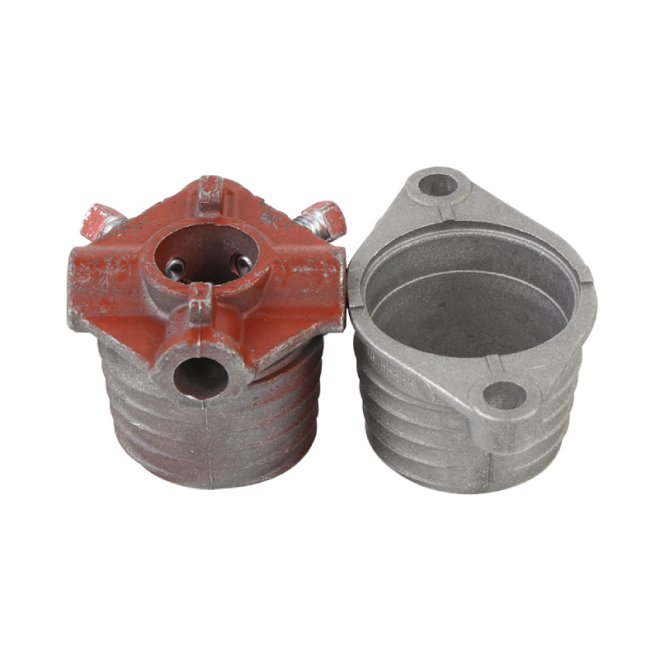
Ever wrestled a tangled cable monster that seems to tighten the more you pull, while your team pretends not to laugh? Bad cable handling turns simple jobs into tripping hazards, downtime, and a daily test of patience.
Use cable drums that control tension, guide winding, and keep bend radius safe, so cables spool smoothly instead of knotting. Follow standards in OSHA’s electrical safety guidelines to cut damage, trips, and surprise shutdowns.
1. 🔧 Basic Structure of Cable Drums and Key Functional Components
Cable drums support, protect, and guide cables during pay-out and rewinding. Their design reduces bending stress, kinks, and abrasion for safe, repeatable cable handling.
Understanding each part of a drum helps you select the right model and avoid unsafe loading, poor winding patterns, and early cable failure.
1.1 Drum Core and Flanges
The core supports cable weight, while side flanges keep wraps aligned and prevent lateral slip or collapse during winding.
- Core diameter controls bend radius and stress
- Flanges prevent cable walking and edge damage
- Steel or aluminum bodies suit heavy industrial loads
1.2 Grooved Barrel Surface
Machined grooves guide each wrap into position and reduce crushing between cable layers.
| Feature | Benefit |
|---|---|
| Helical grooves | Orderly winding and stable tension |
| Smooth edges | Less jacket wear |
| Matched pitch | Prevents overlap and pinching |
1.3 Shaft, Bearings, and Mounting
The shaft and bearings allow smooth rotation under load, supporting precise pay-out speed and safe stopping.
- Heavy-duty bearings reduce friction and heat
- Rigid mounts hold alignment and balance
- Integrated couplers simplify connection to drives
1.4 Integration with Spring and Door Systems
Cable drums often work with spring fittings and door hardware, especially in garage and industrial doors.
- Spring Fitting Coupler | 5-1/4" Diameter | Heavy-Load Garage Door Spring Adapter – Model WT-D10019 ensures secure torsion transfer.
- Spring Fitting Extension | 2-5/8" Diameter | Industrial Garage Door Spring Component – Model WT-D10017 adds flexibility in layout.
- 8′ Cable Drum | Garage Door Cable Winding Drum – Model WT-D10001 provides stable, guided cable winding.
2. 🧲 Tension Control Mechanisms Ensuring Safe Cable Pay-Out and Rewinding
Safe cable handling depends on controlled tension. Proper mechanisms prevent slack, sudden jerks, and overloaded sections that can damage cable and equipment.
Engineers tune brakes, springs, and drives so cable moves smoothly under stable, predictable force across the entire operating cycle.
2.1 Mechanical Brakes and Clutches
Brakes and clutches control rotation speed and stopping distance, even under varying loads.
- Friction brakes prevent free-spooling
- Clutches allow controlled slip under shock loads
- Adjustable torque improves safety margins
2.2 Spring-Driven Constant Tension
Flat or coil springs can apply near-constant torque to keep cable taut through its travel.
| Mechanism | Application |
|---|---|
| Torsion spring | Balancing doors and small hoists |
| Spiral spring | Retractable reels and tools |
| Counterweight | Slow, steady motion systems |
2.3 Motor Drives and Feedback Control
Electric or hydraulic drives use sensors and controllers to keep tension within a narrow band.
- Torque control prevents overload
- Speed control avoids shock loading
- Feedback from encoders or load cells refines accuracy
2.4 Example Tension Comparison (Chart)
The chart below compares average cable tension under different control methods in a test setup.
3. 🛡️ Preventing Cable Damage Through Proper Drum Sizing and Layer Winding
Correct drum diameter and controlled layer winding protect cable from crushing, kinking, and fatigue during repeated cycles.
Designers match cable size, material, and application to drum geometry to keep stress within safe limits.
3.1 Choosing the Right Drum Diameter
Larger diameters reduce bending strain and extend cable life, especially for steel wire rope and fiber-optic cables.
- Follow minimum bend radius rules from cable makers
- Increase diameter for higher duty cycles
- Consider future upgrades when sizing
3.2 Managing Multi-Layer Winding
Multi-layer drums pack more cable but increase crushing forces and side pressure.
| Design Choice | Effect |
|---|---|
| Single layer | Low wear, lower capacity |
| Multi-layer grooved | Higher capacity, moderate wear |
| Random wind | High wear, not recommended for critical lines |
3.3 Surface Finish and Cable Compatibility
Drum surface quality and coating affect friction and jacket wear.
- Smooth, clean surfaces avoid cuts and nicks
- Coatings reduce corrosion and sticking
- Match groove profile to cable diameter
4. ⚙️ Manual vs. Automatic Cable Drums and When WELL LIFT Is Recommended
Manual and automatic cable drums serve different load ranges, duty cycles, and safety levels. The right choice reduces risk and maintenance.
WELL LIFT solutions are ideal when you need stable balancing and precise movement for doors and industrial systems.
4.1 Manual Cable Drums
Manual drums suit light loads, short lengths, and low duty cycles where operators can safely control motion.
- Lower cost and simple installation
- Rely on operator skill for tension control
- Best for small workshops and temporary setups
4.2 Automatic and Motorized Drums
Automatic drums use springs or motors to keep motion smooth and controlled without constant operator input.
| Type | Key Benefit |
|---|---|
| Spring-powered | Self-retracting, constant tension |
| Motorized | Programmable speed and torque |
| Hybrid | Backup power and smooth control |
4.3 When to Specify WELL LIFT Systems
Choose WELL LIFT when safety, high cycles, and door balance are critical.
- Heavy industrial and commercial doors
- Frequent open/close cycles with strict safety codes
- Integrated spring, drum, and coupler packages
5. 🧰 Maintenance Practices for Reliable, Long-Term Safe Cable Handling
Consistent maintenance ensures cable drums keep operating safely, with low downtime and predictable performance over many cycles.
Set clear inspection intervals, document findings, and correct problems before they become serious failures.
5.1 Routine Inspection and Cleaning
Regular checks detect early wear and alignment issues that can damage cable or drum surfaces.
- Inspect grooves, flanges, and shaft play
- Clean dirt, rust, and grease from winding areas
- Check fasteners and guards for security
5.2 Lubrication and Corrosion Control
Proper lubrication reduces friction in bearings and supports, while coatings protect metal parts from rust.
| Task | Interval |
|---|---|
| Grease bearings | Per manufacturer or operating hours |
| Inspect coatings | Quarterly or after harsh weather |
| Repaint damaged areas | As soon as corrosion appears |
5.3 Cable Condition and Replacement Planning
Monitor cable for broken strands, kinks, or jacket damage and replace before failure.
- Record cycles and operating hours
- Use discard criteria from cable standards
- Plan scheduled replacement in critical systems
Conclusion
Cable drums work by guiding, supporting, and tensioning cable in a controlled way. Their structure, grooves, and drives all protect cable from harmful stress.
By choosing the right drum size, managing winding layers, and following good maintenance, you can improve safety, reduce downtime, and extend the life of your cables and door systems.
Frequently Asked Questions about cable drum
1. What does a cable drum do?
A cable drum stores, pays out, and rewinds cable while keeping tension and bend radius under control. This prevents kinks, crushing, and unsafe slack during use.
2. How do I choose the correct drum diameter?
Start with the cable manufacturer’s minimum bend radius, then select a drum core that meets or exceeds it. Increase diameter for higher loads, frequent cycles, or sensitive cables.
3. Why are grooved drums better than smooth drums?
Grooved drums guide each wrap into position, limit side movement, and reduce crushing between layers. This improves winding quality, stability, and cable service life.
4. When should I use an automatic cable drum?
Use automatic drums when you need constant tension, frequent cycling, or remote operation. They are ideal for doors, hoists, and industrial reels that must run safely every day.
5. How often should cable drums be inspected?
Inspect at least every six months in light-duty use, and more often in heavy or critical service. Follow local safety rules and the drum maker’s maintenance schedule.