

Your sectional garage door squeals, shudders, and threatens to trap your car like a sitcom gag every Monday morning, while you stand there with a can of mystery spray, hoping “one more squirt” will magically fix ten years of neglect.
You can end the drama with simple, regular hardware checks, cleaning, and proper lubrication, following step‑by‑step tips and trusted safety advice from experts like the OSHA Garage Door Safety Guide, so your door runs smoothly and quietly.
🔧 Understanding Key Components of Sectional Garage Door Hardware
Sectional garage doors rely on a set of linked hardware parts to lift, guide, and balance the door smoothly. Knowing each piece helps you maintain performance and safety.
By learning how tracks, brackets, cables, and rollers work together, you can spot early problems, plan routine care, and avoid sudden breakdowns or costly emergency repairs.
1. Tracks and Jamb Brackets
Tracks guide each door section as it moves. Strong jamb brackets keep tracks aligned so the door opens and closes without strain or noise.
- Inspect for bends, dents, or loose bolts.
- Tighten mounting hardware at least twice a year.
- Consider upgrading to a Standard Garage Door Jamb Bracket | Heavy-Duty Track Support – Model WT-T50018 for better support.
2. Cables and Cable Drums
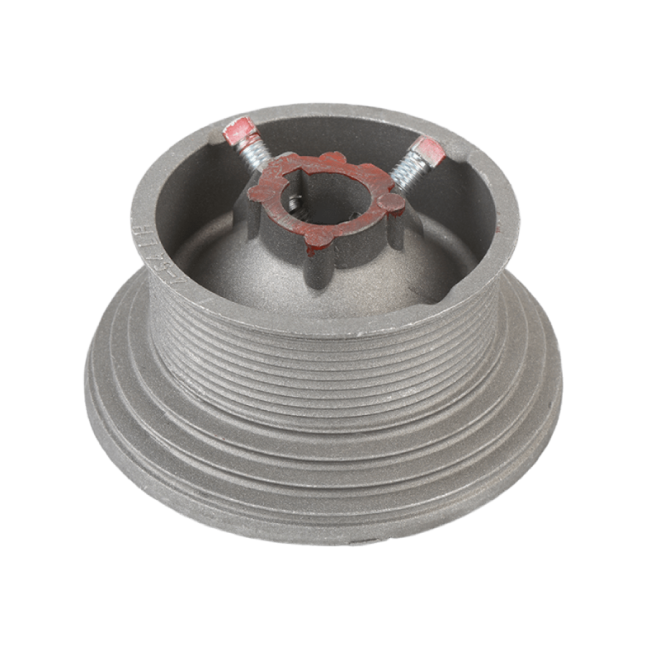
Cables wrap around drums to lift the door evenly. Damaged cables can cause the door to tilt, jam, or even drop suddenly.
| Check Item | What to Look For |
|---|---|
| Cables | Fraying, rust spots, or broken strands |
| Drums | Cracks, chips, or uneven wear on grooves |
3. Hinges and Section Joints
Hinges join door panels and allow them to bend along the track. Worn hinges cause stiff movement and loud popping sounds.
- Look for cracks around screw holes.
- Replace bent hinge leaves right away.
- Keep hinge pins clean and lightly lubricated.
4. Rollers and Bearings
Rollers keep the door riding smoothly in the tracks. Quality bearings reduce friction, noise, and long-term wear on the door system.
- Spin rollers by hand to feel rough spots.
- Replace cracked nylon or pitted steel rollers.
- Do not lubricate plastic rollers with sealed bearings.
🧽 Regular Cleaning Routines for Tracks, Hinges, and Rollers
Simple cleaning keeps dust, grit, and old grease from grinding inside your sectional door hardware. Clean parts move easily and put less strain on your opener.
Use mild cleaners and soft cloths. Avoid harsh chemicals that can damage coatings, rubber seals, or plastic parts on modern garage doors.
1. Cleaning Metal Tracks
Clear debris from tracks before lubricating. This prevents dirt from mixing with oil and forming a sticky paste that blocks smooth roller travel.
- Vacuum loose dirt and cobwebs.
- Wipe inside track surfaces with a damp cloth.
- Dry fully to reduce flash rust.
2. Wiping Hinges and Brackets
Hinges and brackets collect dust around pivot points. A quick wipe improves movement and helps you see early rust or cracks.
| Step | Action |
|---|---|
| 1 | Use a soft brush to knock off loose dirt. |
| 2 | Wipe with a lightly damp microfiber cloth. |
| 3 | Dry and inspect fasteners for looseness. |
3. Cleaning Door Rollers
Dirty rollers drag along the track and make the opener work harder. Clean rollers first, then decide if they need lubrication or replacement.
- Rotate rollers while wiping to reach all sides.
- Remove built-up grease with mild soap if needed.
- Check stems for rust or bending.
4. Tracking Results of Regular Cleaning
Monitoring your cleaning schedule helps you see how routine care affects noise levels and repair frequency over time.
🛢️ Safe Lubrication Tips for Smooth and Quiet Door Operation
Correct lubrication cuts friction, reduces noise, and protects moving parts. Always work with the door closed and disconnect power before starting.
Use light garage door or silicone-based lubricants. Avoid thick grease on tracks, which attracts dust and can slow the door over time.
1. Where to Lubricate and Where to Avoid
Lubricate hinges, bearings, and springs, but keep the actual rolling surfaces of tracks mostly clean and dry for best long-term performance.
- Apply small drops on hinge pins and roller stems.
- Wipe off excess to prevent drips.
- Do not coat track running surfaces with heavy grease.
2. Choosing the Right Lubricant
Select lubricants designed for garage doors. They cling well, resist dust, and stay effective through temperature swings in unheated garages.
| Type | Best Use |
|---|---|
| Silicone spray | Rollers, hinges, weather seals |
| Light lithium spray | Hinges, bearings, torsion springs |
3. Lubrication Frequency and Safety
Plan seasonal lubrication, usually once or twice a year. Always keep hands clear of springs and high-tension parts while working.
- Lubricate before winter and mid-summer if needed.
- Never loosen springs or cable hardware yourself.
- Call a trained technician for tension adjustments.
🧰 Simple Inspection Checks to Prevent Wear, Rust, and Misalignment
Quick visual checks help you catch loosened parts, rust, and misalignment early. This keeps your sectional garage door reliable and safe.
Turn off the opener and move the door by hand during inspections. This lets you feel stiffness, grinding, or dragging right away.
1. Checking Track Alignment and Hardware Tightness
Misaligned tracks cause rubbing and uneven wear. Loose screws and bolts allow parts to shift under load and damage the door.
- Look for gaps between rollers and track edges.
- Tighten loose lag screws in framing.
- Confirm vertical tracks are plumb with a level.
2. Inspecting for Rust and Corrosion
Rust weakens metal and can spread quickly in damp garages. Treat small spots early to avoid full part replacement later.
| Area | Signs of Trouble |
|---|---|
| Bottom brackets | Heavy rust, flaking metal near floor |
| Cables | Brown stains, stiff or rough sections |
3. Testing Door Balance and Movement
A well-balanced door stays in place when lifted halfway. An unbalanced door strains the opener and risks sudden movement.
- Disconnect opener and lift door by hand.
- Door should stay at mid-height with little effort.
- Call a pro if it slams shut or shoots open.
🏢 When Replacement Parts Are Needed, Choose Reliable WELL LIFT Hardware
Even with good care, some hardware will eventually reach the end of its life. Choosing durable, well-designed parts protects your entire door system.
WELL LIFT hardware offers strong materials, precise machining, and consistent quality, making it a smart choice for both residential and industrial sectional doors.
1. Upgrading Jamb Brackets and Track Support
Heavy doors and frequent use demand strong brackets. Reinforced supports improve stability, reduce flexing, and keep tracks firmly in place.
- Use heavy-duty brackets on tall or insulated doors.
- Upgrade during major repairs or when tracks are replaced.
- Check out the Standard Garage Door Jamb Bracket | Heavy-Duty Track Support – Model WT-T50018 for tough installations.
2. Choosing the Right Cable Drums
Correct cable drums match door weight, height, and spring setup. Quality drums ensure smooth winding and even lifting on both sides.
| Model | Typical Use |
|---|---|
| 32′ Cable Drum | Industrial Length Cable Drum – Model WT-D10007 | Large, tall, or industrial sectional doors |
| 10′ Cable Drum | Heavy-Duty Garage Door Cable Drum – Model WT-D10003 | Standard residential or light commercial doors |
3. Working with Professional Installers
Many replacements, especially springs and cable systems, require trained technicians. Pair WELL LIFT hardware with expert installation for best long-term value.
- Ask for hardware with clear specifications and ratings.
- Keep part numbers for future service calls.
- Schedule yearly tune-ups for busy commercial doors.
Conclusion
Routine cleaning, careful lubrication, and simple inspections can greatly extend the life of your sectional garage door hardware. These steps also reduce noise and protect your opener.
When parts wear out, choosing strong, well-made components such as WELL LIFT brackets and cable drums helps keep your door safe, stable, and smooth for years.
Frequently Asked Questions about sectional door hardware
1. How often should I service my sectional garage door?
Inspect and clean your door every three months, and plan a full professional service once a year, especially if the door sees heavy daily use.
2. Can I replace cables and springs myself?
No. Cables and springs carry high tension and can be dangerous. Always hire a qualified garage door technician for these repairs or adjustments.
3. What lubricant is best for sectional door hardware?
Use a silicone or light lithium spray made for garage doors. Avoid thick grease and general-purpose oils that attract dirt and form sticky build-up.
4. When should I replace rollers and hinges?
Replace rollers or hinges if they are cracked, very noisy, or show visible rust, wobble, or flat spots. Many doors need new rollers every 5–7 years.
5. Why does my garage door make loud popping or grinding sounds?
Noise often comes from dirty tracks, dry hinges, worn rollers, or loose hardware. Clean, lubricate, then inspect parts and tighten all accessible fasteners.