

Picking insulated industrial door hardware shouldn’t feel like decoding rocket science blueprints, yet rising energy bills, clunky doors, and mystery specs can turn every warehouse upgrade into a slapstick engineering comedy.
You can calm the chaos by using clear market data and growth forecasts from reports like the Industrial Doors Market Outlook, then matching hardware performance, insulation rating, and life-cycle cost to your site’s actual climate and traffic patterns.
🔹 Global demand trends for insulated industrial door hardware through 2026
By 2026, the insulated industrial door hardware market is set to grow steadily as warehouses, smart factories, and cold chains upgrade for better energy savings and safer operations.
Buyers now focus on durable hinges, brackets, and rollers that support heavy insulated door panels while reducing heat loss, noise, and long-term maintenance costs in harsh industrial environments.
1. Rising investments in smart logistics and warehousing
Global e‑commerce growth drives new logistics hubs that need insulated doors for loading bays. Hardware must handle frequent cycles while keeping conditioned air inside.
- Higher door opening frequency
- Increased need for safe, smooth movement
- Retrofit demand in older distribution centers
2. Expansion of cold chain and temperature‑controlled facilities
Food, pharma, and fresh produce supply chains expand fast, lifting demand for insulated door systems that keep strict temperature ranges and reduce product loss.
- More cold rooms and freezers
- Focus on low‑leakage door assemblies
- Growing use of high‑performance seals and hinges
3. Shift toward low‑maintenance, corrosion‑resistant components
Plant owners increasingly prefer hardware like the 2"4" Nylon Roller with Stainless Steel Stem | Rust-Resistant Track Roller – Model WT-R20007 to avoid downtime in humid or chemically aggressive sites.
| Buyer focus | Impact on hardware |
|---|---|
| Longer service life | Use of stainless steel and nylon |
| Reduced noise | Smoother rolling systems |
4. Demand for flexible mounting and retrofit solutions
Installers need brackets and anchors that work with mixed wall structures and existing tracks, speeding project timelines and keeping costs predictable.
- Multi‑angle brackets ease alignment
- Retrofit‑ready designs cut downtime
- Standardized hole patterns improve fit
🔹 Technological advancements enhancing thermal efficiency and operational reliability
Innovation in insulated door hardware targets lower thermal loss, smoother motion, and safer cycles, helping facilities cut energy bills and avoid unscheduled stoppages.
Manufacturers improve bearings, hinges, and brackets while adding smarter controls and better sealing systems that work reliably in both low and high temperatures.
1. Improved roller systems for energy‑efficient doors
Advanced rollers reduce friction and keep doors aligned, which helps seals work better and limits air leakage around insulated panels.
- High‑precision bearings
- Quiet and stable running
- Less wear on tracks and panels
2. Durable hinges with enhanced safety features
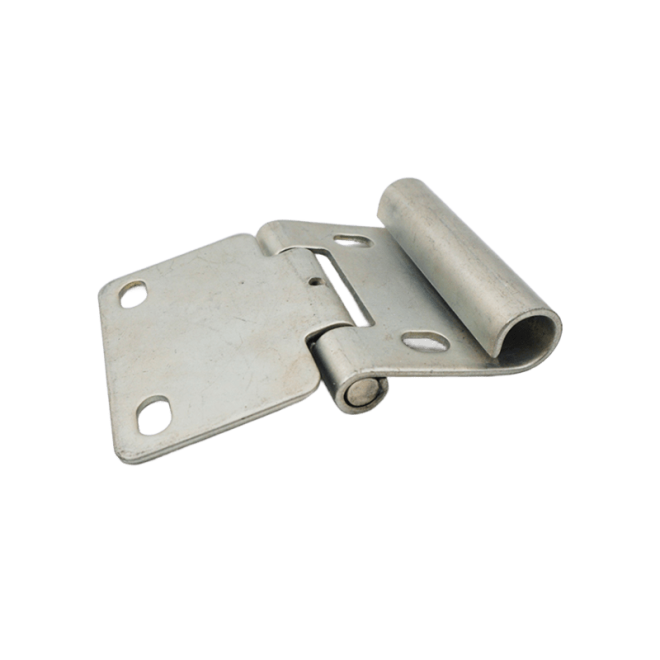
Next‑generation hinges support heavier insulated panels and protect workers. The Garage Door 2.5mm Adjustable Galvanized Finger Protection Double Hinge combines strength, adjustability, and finger‑safe design.
| Feature | Benefit |
|---|---|
| Finger protection | Reduces pinch injuries |
| Adjustable design | Fine‑tunes door alignment |
| Galvanized steel | Better corrosion resistance |
3. Smarter brackets and mounting solutions
Installers rely on flexible mounting hardware such as the A-Type Installation Triangle Bracket | Multi-Angle Garage Door Anchor – Model WT-B30012 to meet tight site conditions without cutting structural parts.
- Multi‑angle adjustments
- Higher load capacity
- Shorter installation time
4. Data‑driven performance insights and market growth
Engineers now track failure rates, cycle counts, and service intervals. This data supports hardware upgrades that improve life span and reduce total ownership cost.
🔹 Regulatory standards and insulation requirements shaping market development
New rules on energy use, safety, and worker protection strongly influence how insulated industrial door hardware is selected, certified, and installed worldwide.
Compliance now affects material choice, hardware layout, and documentation, especially for cold storage and food processing plants.
1. Energy efficiency codes and building regulations
Governments tighten building codes, pushing facilities to install insulated doors with tested U‑values and well‑sealed frames and tracks.
- Lower energy consumption targets
- Thermal performance testing
- Support for retrofit programs
2. Safety and worker protection standards
Standards focus on pinch points, emergency access, and controlled closing speeds. Hardware design must prevent injuries during frequent door cycles.
| Requirement | Impact |
|---|---|
| Finger safety | Use of guarded hinges |
| Emergency escape | Reliable manual release |
3. Industry‑specific hygiene and corrosion rules
Food, beverage, and pharma plants require cleanable, corrosion‑resistant hardware with low particle shedding and easy wash‑down capability.
- Preference for stainless steel parts
- Smooth, easy‑to‑clean surfaces
- Limited use of exposed threads
🔹 Key application segments: logistics centers, manufacturing plants, and cold storage
Demand profiles differ by sector, but all rely on insulated door hardware to support uptime, safe access, and stable indoor conditions.
Understanding each segment helps buyers select the right mix of rollers, brackets, and hinges for long‑term performance.
1. Logistics centers and distribution hubs
High‑cycle dock doors require quiet, fast, and robust hardware that can take constant opening and closing without frequent adjustment.
- Focus on fast serviceability
- Noise control in urban areas
- Compatible with dock levelers
2. Manufacturing and process plants
Factories need hardware that withstands vibration, dust, chemicals, and varying temperatures while keeping door movement safe and stable.
| Condition | Hardware need |
|---|---|
| Heavy equipment traffic | High load capacity |
| Dust and debris | Protected bearings, seals |
3. Cold storage, freezers, and food facilities
Cold rooms rely on insulated hardware that manages frost, limits condensation, and keeps seals compressed for tight temperature control.
- Anti‑corrosion materials
- Stable performance at low temperatures
- Support for heated seals where needed
🔹 Competitive landscape and strategic advantages of WELL LIFT insulated hardware
The market includes many regional and global players, yet WELL LIFT stands out through focused design, proven durability, and flexible installation options.
Its hardware range helps OEMs and installers meet strict energy and safety targets while keeping total life cycle costs under control.
1. Broad, integrated product portfolio
WELL LIFT offers coordinated rollers, hinges, and brackets that work together, making design and installation faster and more reliable for industrial doors.
- Matched load ratings
- Consistent quality control
- Simplified sourcing
2. Emphasis on reliability in harsh conditions
Products undergo tough cycle and corrosion tests, ensuring stable performance in cold rooms, coastal areas, and heavy‑duty industrial sites.
| Test focus | Result |
|---|---|
| Salt spray | Improved rust resistance |
| High‑cycle operation | Lower failure risk |
3. Installer‑friendly design and technical support
WELL LIFT supports partners with clear drawings, fast delivery, and hardware that allows quick fine‑tuning during and after installation.
- Standardized hole patterns
- Adjustable components
- Responsive after‑sales support
Conclusion
Through 2026, insulated industrial door hardware will grow as operators chase energy savings, safety, and uptime. Robust rollers, hinges, and brackets are now central to door design decisions.
By choosing well‑engineered components and trusted brands like WELL LIFT, facilities can cut operating costs, improve temperature control, and extend the service life of insulated doors.
Frequently Asked Questions about insulated industrial door hardware
1. Why is insulated industrial door hardware important?
Insulated hardware keeps doors aligned and sealed, reducing air leakage and energy loss. It also supports safe, smooth movement, which lowers maintenance and downtime risks.
2. How do I choose the right roller for an insulated door?
Check door weight, track type, and cycle frequency. Choose corrosion‑resistant materials, quality bearings, and a roller design that matches your door’s insulation thickness.
3. What makes hardware suitable for cold storage applications?
Cold storage hardware must resist corrosion, perform at low temperatures, and maintain tight seals. It should also limit frost build‑up and support easy cleaning.
4. How often should insulated door hardware be inspected?
Most industrial sites inspect hardware at least twice a year. High‑cycle or harsh environments may need quarterly checks and timely replacement of worn parts.
5. Can I retrofit older doors with modern insulated hardware?
Yes. Many modern brackets, hinges, and rollers are designed for retrofit. They can improve energy performance, safety, and door stability without full door replacement.