

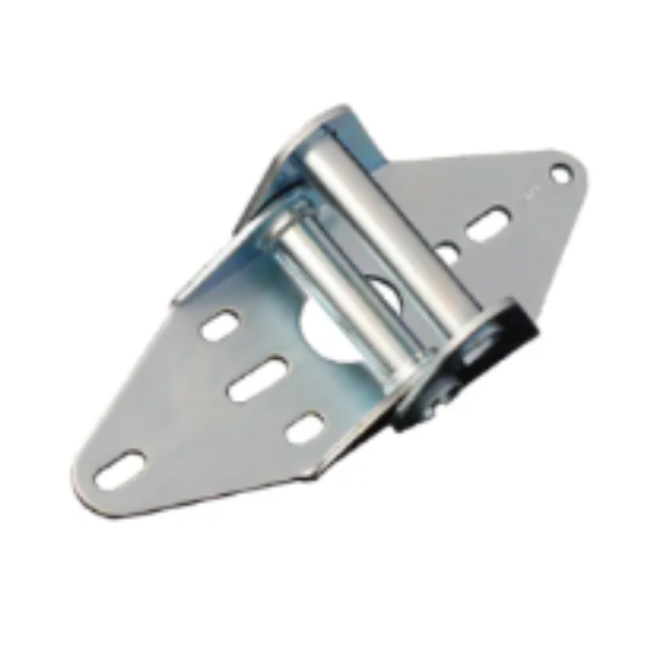
You’re staring at industrial panels, pretending those flimsy ribs look “strong enough,” while secretly praying the next forklift bump doesn’t turn your wall into modern art. Relax—every buyer has played the “hope and guess” rib game.
This 2026 buyer’s guide shows you how to size, space, and choose reinforcing ribs using tested engineering standards, not guesswork, backed by data like the NIST structural design reports, so your panels stay stiff, safe, and budget-friendly.
1. 🛠️ Key structural functions of industrial panel reinforcing ribs in 2026
In 2026, well‑designed reinforcing ribs help industrial panels carry higher loads, resist dents, and stay flat. Good rib layouts reduce vibration, noise, and long‑term fatigue.
They also improve safety by keeping large doors and wall systems stable under wind, impact, and daily operation in warehouses, logistics hubs, and automated factories.
1.1 Panel stiffness and deflection control
Ribs increase the moment of inertia of thin panels, so they bend less under wind, stacking, or equipment loads, while keeping weight and cost under control.
- Better span performance
- Less panel “oil canning”
- Improved door tracking accuracy
1.2 Impact and dent resistance
Reinforcing ribs spread local impact forces over a wider area. This keeps pallets, vehicles, or tools from leaving deep dents that weaken the panel skin.
- Protects critical edge zones
- Supports hardware mounting areas
- Reduces repair frequency
1.3 Vibration and noise reduction
Ribs break up large flat surfaces, changing natural frequencies and limiting panel rattle. This supports smoother operation of high‑cycle industrial doors.
| Design | Result |
|---|---|
| Deeper ribs | Lower vibration |
| Closer spacing | Less noise |
1.4 Load transfer to hardware and tracks
Ribs help transfer loads into rollers, bearings, and handles. Strong rib zones support parts like the Steel Garage Door Roller 2" × 4" | 10-Ball Bearing Construction – Model WT-R20010 for stable, smooth movement.
- Stronger fastener pull‑out strength
- Lower stress on panel skin
- Longer system life
2. 📏 Material types, thickness choices, and load-bearing considerations for ribs
Choosing the right rib material and thickness balances weight, life, and cost. 2026 projects favor data‑driven sizing instead of trial‑and‑error design.
Designers now combine FEA results with real load cases, such as wind, traffic impact, and automation cycles, to fine‑tune rib profiles for each application.
2.1 Common rib materials in 2026
Galvanized steel still leads, but aluminum and coated steels grow where low weight and high corrosion resistance are critical in coastal or chemical plants.
| Material | Pros | Typical Use |
|---|---|---|
| Galvanized steel | Strong, cost‑effective | General industry |
| Aluminum | Lightweight, corrosion resistant | High‑cycle doors |
2.2 Thickness and span optimization
Engineers choose rib thickness by span, load type, and deflection limits, using simple rules plus software to avoid over‑design or weak spots.
- Longer spans need deeper or thicker ribs
- Heavy point loads need local stiffeners
2.3 Load‑bearing and safety margins
Safe design includes wind, impact, and service loads with clear safety factors. Ribs work with bearings like the 1" Galvanized Steel Bearing | Precision Garage Door Support Bearing – Model WT-R20014 to keep doors aligned.
- Check ultimate strength
- Control service deflection
- Account for fatigue cycles
2.4 Simple bar chart: material usage trends
The sample chart below helps buyers see how steel, aluminum, and composite ribs may compare in a basic usage scenario.
3. 🔩 Installation methods, fastening details, and deformation control techniques
Correct rib installation prevents twist, misalignment, and early cracking. Clean, repeatable fastening keeps industrial panels straight under daily use.
Installers should follow torque specs, use approved fasteners, and check panel flatness as each rib and hardware set is fixed in place.
3.1 Fastener selection and spacing
Use compatible screws or rivets, sized for sheet thickness and expected loads, with clear edge distances and spacing rules on every panel line.
- Self‑drilling screws for steel
- Blind rivets for thin skins
- Seal washers in wet zones
3.2 Alignment checks during assembly
Installers should clamp ribs, check diagonals, then fix from the center out. This controls built‑in stress and locks panels in a straight position.
| Step | Check |
|---|---|
| Pre‑drill | Hole size and pattern |
| Fix center | Panel flatness |
| Fix edges | Gap and twist |
3.3 Deformation and thermal movement control
Design slots or flexible joints where thermal movement is high. Avoid over‑tightening, which can cause ripple, buckling, or noisy operation in service.
- Use slotted holes at long spans
- Keep fastener torque moderate
- Allow for temperature swings
4. 🧪 Durability, corrosion resistance, and maintenance strategies for long service life
Ribs must resist rust, wear, and fatigue to protect panels over decades. Smart coatings and regular care lower total life‑cycle cost.
In harsh climates or chemical environments, buyers should request higher‑class zinc coatings, paint, or stainless options to avoid sudden failures.
4.1 Coatings and protective finishes
Galvanized, pre‑painted, or powder‑coated ribs protect the base steel. Choose coating weight by humidity, salt, and expected chemical exposure.
| Finish | Best For |
|---|---|
| Galvanized | Standard outdoor use |
| Powder coat | High aesthetics, added barrier |
4.2 Inspection and service intervals
Plan yearly visual checks, focusing on rib ends, fastener lines, and hardware zones where moisture and stress usually combine to start damage.
- Look for rust spots or paint blisters
- Tighten loose fasteners
- Replace cracked sealants
4.3 Repair and retrofit options
Local stiffeners, doubler plates, or new ribs can extend life of aging panels. This delays full replacement and supports safe, ongoing operation.
- Add ribs near damaged areas
- Upgrade coatings during repair
- Check alignment after retrofit
5. 🏭 When reinforcing rib quality matters most, choose WELL LIFT engineered solutions
High‑traffic industrial doors demand matched components. WELL LIFT ribs work closely with rollers, bearings, and handles for smooth, quiet, long‑term operation.
From logistics centers to cold storage, engineered rib systems help reduce downtime, accidents, and unplanned replacement costs across an entire facility.
5.1 Integrated hardware and rib engineering
WELL LIFT designs ribs to support precise hardware locations, including handles like the Steel Garage Door Handle | Durable Exterior Grip – Model WT-L80026, so loads spread safely into the panel.
- Matched hole patterns
- Optimized reinforcement zones
- Consistent quality control
5.2 Application‑specific rib solutions
Projects in cold rooms, coastal ports, or high‑cycle docks can specify rib depth, spacing, and coatings tailored to local climate and traffic levels.
| Application | Key Focus |
|---|---|
| Cold storage | Thermal movement, seals |
| Port warehouses | Corrosion control |
5.3 Support, testing, and documentation
Engineering support includes drawings, test data, and clear installation guides. This helps contractors deliver doors and panels that pass audits on the first try.
- Load and cycle testing
- Material and coating certificates
- On‑site or remote support
Conclusion
Industrial panel reinforcing ribs in 2026 must balance strength, weight, and durability. Smart design and correct installation protect doors, walls, and operators from daily stress.
By choosing engineered ribs, proven coatings, and matched hardware, buyers gain longer service life, lower maintenance costs, and safer, more reliable industrial facilities.
Frequently Asked Questions about industrial panel reinforcing ribs
1. How do I choose the right rib profile for my project?
Match the rib depth and spacing to span length, wind rating, and traffic level. Ask suppliers for span tables, test reports, and reference projects before final selection.
2. Are thicker ribs always better for industrial doors?
No. Extra thickness adds weight, which can stress rollers, bearings, and operators. A balanced profile with correct depth often performs better than simply adding steel.
3. How often should reinforcing ribs be inspected?
For busy industrial doors, inspect ribs and fasteners at least once a year. In harsh or coastal environments, check every six months and document all findings.
4. Can old panels be upgraded with new reinforcing ribs?
Yes. Engineers can add internal ribs, doubler plates, or new hardware supports. Always verify structural capacity and door balance after any retrofit work.
5. What information should I provide to a rib supplier?
Share panel size, span, wind zone, traffic level, environment, and preferred hardware. This lets engineers recommend a rib system that meets code and budget.