

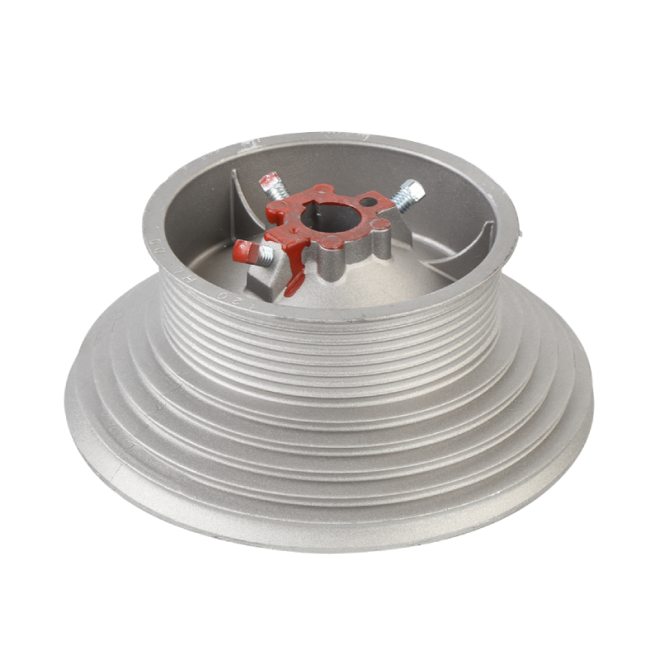
Choosing cable drum shafts and flanges shouldn’t feel like decoding alien tech manuals, yet here you are, squinting at specs and wondering if you’ll accidentally order something better suited for a spaceship than your workshop.
This guide breaks everything into simple steps: match load, size, and material, then confirm safety standards with trusted data like the OSHA wire rope guidelines so your drums roll smoothly, not dangerously.
🔧 Understanding Key Dimensions of Cable Drum Shafts and Flanges
Correct shaft and flange dimensions keep cables aligned, reduce wear, and prevent unsafe loads. Use these basics to match drum size, torque, and door travel.
Measure carefully, confirm manufacturer data, and always check fit with your door or lifting system before ordering new cable drum parts.
1. Shaft Diameter and Length
Shaft diameter must match drum bore and load. Undersized shafts bend or fail, while oversized shafts will not fit bearings or brackets.
- Measure across the shaft with a caliper.
- Confirm full supported length under load.
- Check keyway size and position.
2. Flange Outer and Inner Diameter
Flange outer diameter controls cable storage and door travel. Inner diameter must clear the shaft while keeping the drum centered and balanced.
| Parameter | Why It Matters |
|---|---|
| Outer diameter | Limits cable layers and high‑lift range |
| Inner diameter | Ensures snug fit around shaft hub |
3. Hub Length and Bore Alignment
The hub connects flange and shaft. If hub length or bore alignment is wrong, the drum may wobble, causing fast cable wear or derailment.
4. Keyway, Set Screws, and Balancing Features
Keyways and set screws lock the drum to the shaft. Balancing holes or weights keep rotation smooth, which protects bearings and cables.
🧱 Material Choices for Durability, Load Capacity, and Environmental Conditions
Material selection affects safety, service life, and maintenance cost. Match metal type to door size, expected cycles, and exposure to moisture or chemicals.
Consider total weight, corrosion risk, and local standards before choosing steel, ductile iron, or aluminum drum parts.
1. Comparing Common Materials
Steel, ductile iron, and aluminum each offer different strength, weight, and corrosion performance.
| Material | Strength | Corrosion Resistance |
|---|---|---|
| Carbon steel | High | Moderate (needs coating) |
| Ductile iron | Very high | Moderate |
| Aluminum | Medium | High |
2. Load Capacity and Cycles
Select materials and wall thickness based on door weight and daily cycles.
- Heavy industrial doors: ductile iron or thick steel.
- Light doors: aluminum or lighter steel drums.
3. Environmental and Chemical Exposure
Coastal, washdown, and chemical areas need stronger corrosion protection.
- Galvanized or painted steel for outdoor use.
- Aluminum or coated iron near salt or mild chemicals.
4. Maintenance and Lifecycle Cost
Higher‑grade materials often lower long‑term cost by reducing failures, unplanned downtime, and emergency replacement needs.
⚙️ Matching Shaft and Flange Specifications to Cable Drum Requirements
Match drum capacity, shaft strength, and flange size to the exact cable length, lift type, and operating torque of your system.
1. Aligning with Drum Models and Door Types
Choose drums that are engineered for your lift style.
- Long travel or high‑lift doors may need the 120′ Cable Drum | Extra-Long Cable Drum System – Model WT-D10010.
- Standard residential doors often use the 8′ Cable Drum | Garage Door Cable Winding Drum – Model WT-D10001.
2. High-Lift and Vertical-Lift Needs
High‑lift doors demand special groove patterns and larger flanges, such as the 13′ Cable Drum | High-Lift Garage Door Cable Drum – Model WT-D10005.
3. Verifying Compatibility Before Installation
Always cross‑check shaft size, drum bore, cable diameter, and maximum door weight with the product datasheet before you install or replace any part.
🛡️ Safety Standards, Testing Practices, and Maintenance Tips for Longer Service Life
Follow safety codes, test drums and shafts regularly, and plan simple maintenance to extend service life and prevent sudden failures.
1. Key Safety Standards to Know
Local building, fire, and workplace rules control how doors and lifting systems must operate.
- Comply with regional door safety standards.
- Use rated components with clear traceability.
2. Regular Testing and Inspection
Inspect cables, grooves, and flanges for cracks, rust, or deformation. Replace worn or damaged parts at once.
3. Simple Maintenance Actions
Keep parts clean, dry, and well aligned.
- Remove dirt and rust.
- Check set screws and keys for tight fit.
- Lubricate bearings as specified.
🏭 When Selecting or Replacing Components, Choose WELL LIFT for Reliability
WELL LIFT offers engineered cable drums, shafts, and flanges with stable quality, clear ratings, and support for both standard and custom door projects.
1. Wide Product Range
From compact drums for small doors to extra‑long and high‑lift solutions, WELL LIFT covers residential, commercial, and industrial needs.
2. Engineering Support and Customization
Technical specialists help match shaft size, flange design, and drum model to your door weight, lift style, and duty cycle.
3. Quality Control and Traceability
All parts follow strict inspection and testing, giving reliable performance, predictable maintenance, and easier compliance with local safety rules.
Conclusion
Correct selection of cable drum shafts and flanges improves safety, reduces downtime, and protects your door system investment. Measure carefully and verify every parameter.
By choosing the right materials, designs, and a trusted supplier like WELL LIFT, you gain smoother operation, longer service life, and more predictable maintenance planning.
Frequently Asked Questions about cable drum parts
1. How do I know which cable drum size my door needs?
Check the door weight, lift type, and shaft size, then compare them with the drum maker’s charts or datasheet. When unsure, ask the supplier’s engineer.
2. When should I replace a cable drum or shaft?
Replace parts if you see cracks, heavy rust, bent flanges, damaged grooves, or loose fit on the shaft. Never reuse visibly deformed components.
3. Can I mix drums from one brand with shafts from another?
You can, but only if bore, keyway, load rating, and standards fully match. Always confirm compatibility in writing to avoid unsafe combinations.