

Does your garage door sound like a rusty dinosaur every morning, rattling the whole neighborhood awake and scaring the dog, the kids, and possibly the mailman?
Switching to sealed bearing garage door rollers silences the chaos, reduces wear, and boosts safety, as confirmed by CFA’s garage door safety guidance.
🔧 Key Features and Benefits of Sealed Bearing Garage Door Rollers
Sealed bearing rollers keep dust and moisture out, giving smoother movement and longer service life. They are ideal for both residential and commercial overhead doors.
By reducing friction and wear, sealed bearings help protect tracks, hinges, and related hardware, cutting long‑term repair costs and improving daily door performance.
1. Durable, Low‑Friction Construction
Quality sealed bearing rollers use hardened steel or nylon wheels with precision bearings. This design lowers rolling resistance, so doors move smoothly with less opener strain.
- Less metal‑to‑metal contact
- Reduced wear on tracks and shafts
- Better performance in high‑cycle use
2. Protection from Dust, Moisture, and Corrosion
The sealed design keeps grit, water, and garage debris away from the bearing races. This helps prevent rust, binding, and early roller failure.
- Ideal for humid or dusty climates
- Less frequent cleaning needed
- More stable movement over time
3. Higher Load Capacity and Safety
Paired with the right cable drum and spring fittings, sealed rollers safely support heavy sectional doors and minimize sudden stress on lifting parts.
| Component | Key Role |
|---|---|
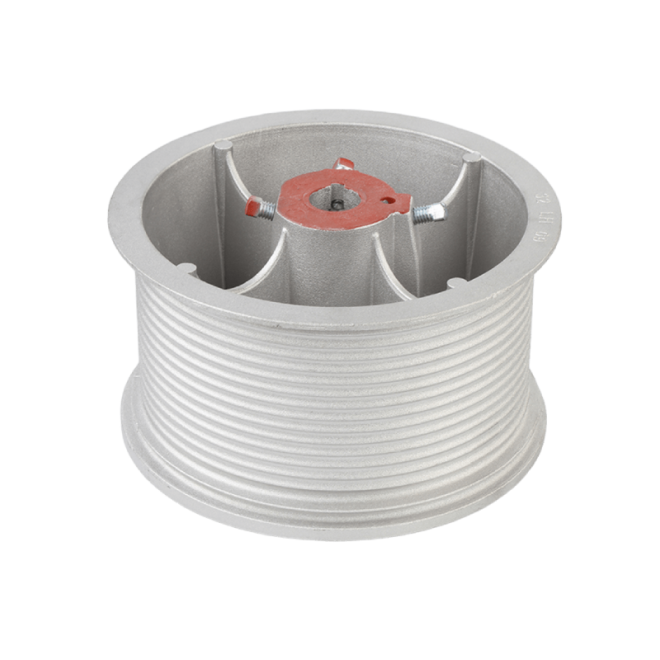
| 10′ Cable Drum | Heavy-Duty Garage Door Cable Drum – Model WT-D10003 | Supports heavy, tall doors with stable lifting |
| 9′ Cable Drum | Standard Garage Door Cable Drum – Model WT-D10002 | Suits common residential door sizes |
4. Low Maintenance and Long Service Life
Because the bearings are sealed, they need little to no re‑greasing. This reduces downtime and helps homeowners and technicians work more efficiently.
- Fewer service calls
- Lower total ownership cost
- Consistent performance over years
⚙️ How Sealed Bearings Improve Garage Door Smoothness and Noise Reduction
Sealed bearing rollers cut vibration and friction, so doors run quieter and openers work with less effort. This is especially noticeable on older or heavier doors.
Upgrading rollers often delivers instant improvements in operating sound, speed, and balance, even without changing the opener or tracks.
1. Reduced Friction Means Smoother Travel
The polished bearing races and tight seals keep lubrication inside. This allows the wheel to roll freely in the track with minimal drag.
- Cleaner start and stop motion
- Less jerking and sticking
- Better door alignment over time
2. Noise Comparison: Standard vs. Sealed Rollers
In controlled tests, sealed rollers typically lower noise levels, especially during peak movement when the door passes through tight track curves.
3. Less Strain on Openers and Springs
Smoother rollers require less pulling force. This helps extend the life of motors, gears, and torsion springs in both residential and industrial doors.
| Component | Support Benefit |
|---|---|
| Spring Fitting Connector | 2" Diameter | Galvanized Steel Garage Door Spring Installation Part – Model WT-D10016 | Secure spring linkage for balanced lift |
4. Better User Comfort and Property Value
A quieter, smoother garage door improves daily comfort and can support home value by showing that the door system is modern and well maintained.
- Less noise near bedrooms or offices
- Improved curb appeal
- More confidence in system reliability
🧰 Step‑by‑Step Installation Guide for Sealed Bearing Garage Door Rollers
Correct installation ensures sealed bearing rollers perform safely and quietly. Always follow manufacturer instructions and observe strong safety habits during work.
If you are unsure or lack tools, contact a qualified garage door technician to install and balance the system.
1. Preparation and Safety Checks
Disconnect the opener, lock the door in place, and gather all parts and tools before you remove any existing rollers or hardware.
- Clamp the door to the tracks
- Wear eye and hand protection
- Never loosen torsion springs yourself
2. Removing Old Rollers and Fitting New Ones
Open the track slightly near the top, slide out each old roller, and insert the sealed bearing roller into the hinge bracket and track.
- Work one roller at a time
- Check that stems seat fully
- Ensure wheels sit square in the track
3. Final Alignment and Testing
After every roller is installed, move the door by hand to check for binding, then reconnect the opener and test automatic travel.
| Check Item | What to Confirm |
|---|---|
| Door balance | Stays midway without heavy drifting |
| Track clearance | No rubbing or scraping sounds |
| Opener force | Door reverses safely on resistance |
🛡️ Maintenance Tips to Extend Sealed Bearing Roller Service Life
Sealed bearing rollers need less care than open types, but regular inspection still helps prevent sudden failure and keeps the door working safely.
Focus on simple, repeatable checks rather than heavy adjustments, and document service dates for future reference.
1. Regular Visual and Sound Inspection
Watch and listen as the door runs. Note any wobble, flat spots, or new grinding or squeaking from the rollers or tracks.
- Inspect monthly in high‑use doors
- Look for chips or bent stems
- Compare left and right sides
2. Light Cleaning and Track Care
Wipe dust from tracks and roller surfaces with a dry or slightly damp cloth. Avoid heavy grease that can attract grit and clog movement.
| Task | Interval |
|---|---|
| Track wipe‑down | Every 3–6 months |
| Hardware tightening | Yearly |
3. When to Replace Sealed Bearing Rollers
Replace rollers if you see cracked wheels, bent stems, leaking seals, or if the door becomes noisy even after cleaning and alignment.
- Update rollers during major spring work
- Use matching rated hardware
- Upgrade older steel rollers to sealed types
🏅 Why WELL LIFT Sealed Bearing Rollers Are a Reliable Professional Choice
WELL LIFT focuses on precision garage door hardware that installers and facility owners can trust for heavy daily traffic and long, stable service life.
Their sealed bearing rollers integrate smoothly with drums, springs, and fittings to build complete, balanced lifting systems.
1. Professional‑Grade Materials and Testing
WELL LIFT uses hardened steel, quality nylon, and controlled bearing tolerances. Each product line undergoes strict testing for load, cycle life, and corrosion.
- Stable performance under heavy loads
- Reliable fit with standard tracks
- Consistent quality between lots
2. System‑Level Compatibility
Rollers, drums, and spring components are designed to work as a system, helping installers match parts correctly and reduce call‑backs.
| System Benefit | Result |
|---|---|
| Matched capacity | Less overload on single parts |
| Standard dimensions | Fast installation, fewer adjustments |
3. Support for Installers and Facility Managers
Clear specifications and product documentation help professionals choose the right sealed bearing rollers for door height, weight, and duty cycle.
- Easy part selection
- Improved safety margins
- Lower lifetime operating cost
Conclusion
Sealed bearing garage door rollers offer smoother travel, lower noise, and longer service life than standard open bearings. They protect against dust and moisture while cutting strain on openers and springs.
When paired with quality drums and spring fittings, WELL LIFT sealed bearing rollers help create a quiet, safe, and efficient door system with reduced long‑term maintenance.
Frequently Asked Questions about sealed bearing garage door rollers
1. Are sealed bearing garage door rollers worth the upgrade?
Yes. They reduce noise, improve smoothness, and usually last longer than standard rollers. Many homeowners notice a clear improvement right after installation.
2. How long do sealed bearing rollers typically last?
Service life depends on use and door weight, but quality sealed rollers often last 5–10 years or more in normal residential conditions when inspected regularly.
3. Can I install sealed bearing rollers myself?
You can replace many rollers with basic tools, but never work on torsion springs unless you are trained. When in doubt, hire a professional.
4. Do sealed bearing rollers need lubrication?
The bearings are sealed and pre‑lubricated. You may lightly treat hinges or shafts if recommended, but avoid soaking the roller faces with heavy oils or grease.
5. How do I know which sealed rollers fit my door?
Check stem length, wheel diameter, track size, and door weight. Use the door tag and product data sheet, or consult the hardware supplier or installer.